
Navigating the choppy waters of divorce can feel like trying to teach a cat to swim. In Wisconsin, parents facing this turbulent journey have a lifeline: the divorce parenting class. This isn’t just another boring lecture; it’s a chance to learn how to co-parent like a pro while keeping your sanity intact.
Overview of Wisconsin Divorce Parenting Class
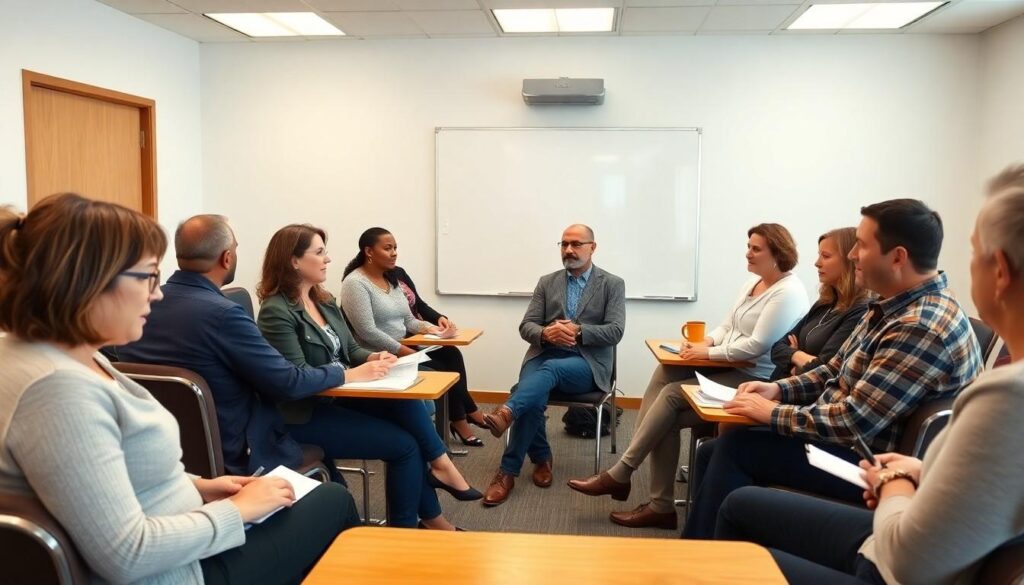
Wisconsin Divorce Parenting Classes serve as essential resources for parents undergoing divorce. These classes focus on equipping parents with the skills needed for effective co-parenting. Participants learn about communication strategies, conflict resolution techniques, and the emotional needs of children.
Educators emphasize the impact of divorce on children and provide guidance on how to mitigate negative effects. Course topics include understanding children’s developmental stages, fostering healthy relationships post-divorce, and managing parental responsibilities.
Classes typically consist of various formats, including in-person, online, and hybrid options. Most programs cover state requirements, ensuring compliance with court mandates. Completion of these classes sometimes results in reduced court time or other benefits during the divorce process.
Many programs also encourage interaction among participants, fostering a support network. Communicating with others facing similar challenges helps participants gain perspective and emotional support.
Parents who attend these classes report improved co-parenting relationships. Strengthened communication among parents leads to reduced conflict and more stable environments for children. Emphasizing positivity and creating respectful interactions equips parents with tools necessary for future collaboration.
Certification from these classes results from meeting Wisconsin’s judicial standards. Courts often require proof of completion before finalizing divorce proceedings. Ensuring participation in these classes remains a priority for many seeking a healthier transition through divorce.
Importance of Parenting Classes in Divorce
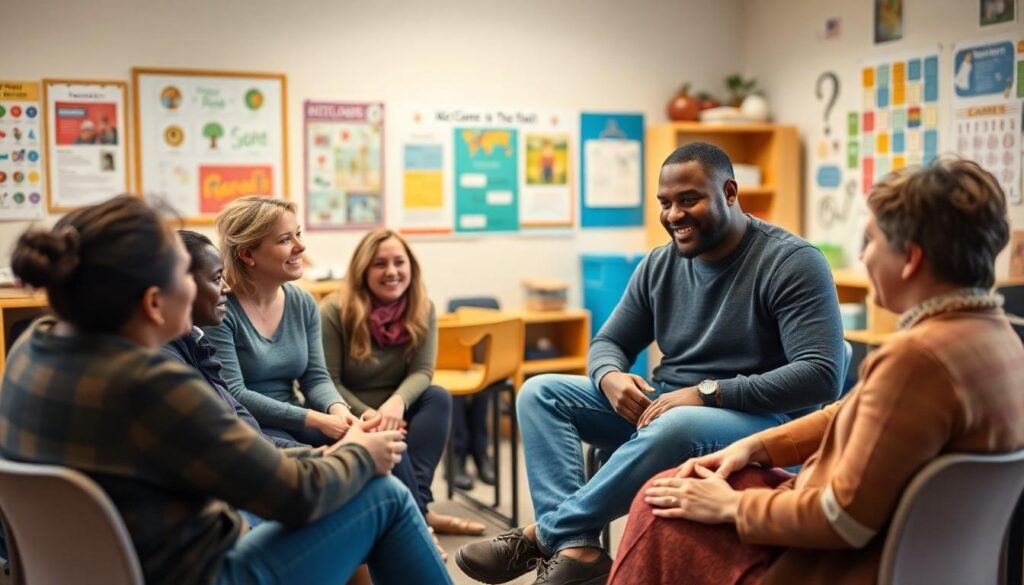
Parenting classes in Wisconsin address critical skills needed for effective co-parenting during divorce. These classes support parents in maintaining mental well-being while navigating their new circumstances.
Benefits for Parents
Parents gain essential communication strategies through these classes. Improved conflict resolution techniques enable individuals to manage disagreements constructively. Participants often report stronger relationships with their co-parent, as classes foster collaborative approaches. Support networks develop naturally during interactions with peers facing similar challenges, providing emotional reinforcement. Enhanced understanding of children’s emotional needs leads to informed decision-making, promoting a healthier co-parenting environment.
Benefits for Children
Children experience more stability when parents attend these classes. Understanding developmental stages equips parents with tools to support their children’s emotional growth. Improved communication skills lead to a more harmonious home atmosphere, reducing children’s stress levels. They benefit from a clearer understanding of the changes in their family dynamics, helping them process emotions effectively. Ultimately, children thrive in environments where parents prioritize their well-being through education and mutual support.
Requirements for Taking the Class
Participation in Wisconsin divorce parenting classes is essential for those navigating divorce. These classes hold specific requirements that all participants must meet.
Eligibility Criteria
Participants must be parents or guardians involved in custody matters. They often need to have an ongoing divorce process or a pending custody dispute. Acceptance into the class typically requires individuals to reside in Wisconsin. Some courts may specify attendance for both parents. Classes accommodate varying public needs, so checking local requirements ensures compliance.
Course Availability
Wisconsin offers multiple formats for divorce parenting classes. Individuals can choose from in-person sessions, online courses, and hybrid options to fit their schedules. Generally, courses run throughout the year to allow flexibility. Length and duration of classes may vary, but they usually consist of four to six hours of instruction. Registration processes differ by provider, so reviewing options in advance is crucial. Available resources ensure that participants find a suitable class tailored to their circumstances.
Course Structure and Content
Wisconsin divorce parenting classes feature a comprehensive structure designed to support parents through challenging transitions. Participants engage in interactive sessions that prioritize effective co-parenting strategies and child well-being.
Topics Covered
Key topics in the classes include communication techniques, conflict resolution methods, and understanding children’s emotional needs. Instructors address developmental stages of children, helping parents recognize age-specific concerns. Insights into fostering healthy relationships post-divorce also form a significant part of the curriculum. Moreover, educators provide strategies for mitigating the negative impacts of divorce on children, highlighting emotional support processes. These subjects enable parents to apply practical knowledge to their daily interactions with children and co-parents.
Format and Duration
Classes in Wisconsin come in multiple formats, including in-person, online, and hybrid options. These choices accommodate varying schedules and preferences. Typically, a course lasts four to six hours, providing ample time for discussion and interaction. Registration procedures may differ based on the provider, so participants should review their options ahead of time. Flexible scheduling throughout the year ensures that individuals can find suitable sessions that meet their needs.
Wisconsin divorce parenting classes play a crucial role in helping parents navigate the complexities of co-parenting during and after divorce. By equipping them with essential skills and knowledge, these classes foster healthier communication and conflict resolution. Parents not only enhance their own well-being but also create a more stable environment for their children.
The emphasis on understanding children’s emotional needs ensures that families can transition more smoothly through challenging times. With various formats available, parents can easily find a class that fits their schedule. Ultimately, investing time in these classes is a proactive step toward building a supportive co-parenting relationship that benefits everyone involved.