
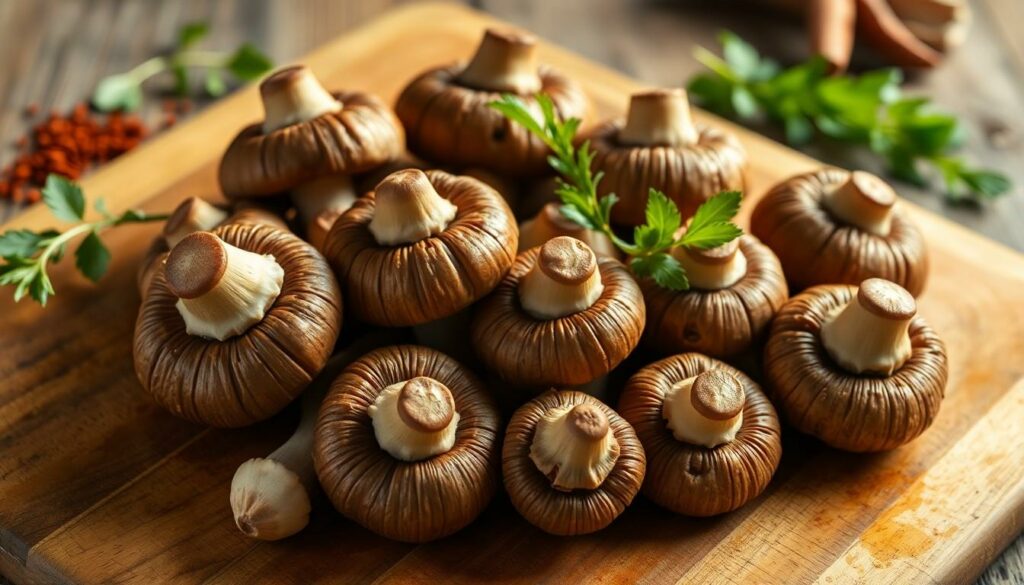
When it comes to superfoods, baby bella mushrooms are the unsung heroes of the veggie world. These little fungi pack a flavorful punch while sneaking in a treasure trove of nutrients. If you think mushrooms are just for pizza toppings, think again! With their rich, earthy taste and impressive health benefits, they deserve a spotlight on your plate.
Curious about what makes these mushrooms a must-have in your diet? In just 100 grams, baby bellas deliver a delightful mix of vitamins and minerals that can transform your meals and boost your well-being. So grab a fork, and let’s dive into the nutritional wonders of baby bella mushrooms. Who knew getting your daily dose of nutrients could be this deliciously fun?
Overview of Baby Bella Mushrooms
Baby bella mushrooms, also known as cremini mushrooms, offer a wealth of nutrition in every 100 grams. These mushrooms contain approximately 22 calories, making them a low-calorie food option that fits well into various diets. Carbohydrates provide around 3.3 grams per serving, while protein content measures about 3.1 grams.
Vitamins play a vital role in the nutritional profile of baby bellas. Each serving delivers significant amounts of B vitamins, particularly riboflavin, niacin, and pantothenic acid. These vitamins support energy production and cellular function. Minerals are also abundant, with potassium, phosphorus, and copper being prominent. Potassium aids in heart health, while phosphorus contributes to bone strength.
Fiber content in baby bella mushrooms reaches about 1 gram per 100 grams. This fiber promotes digestive health and helps maintain regularity. Antioxidants, including ergothioneine and selenium, further enhance their health benefits. These antioxidants combat oxidative stress, which may lower the risk of chronic diseases.
Fats remain minimal, usually around 0.3 grams in a 100-gram serving. The low-fat content makes them an excellent choice for those seeking to manage their weight while enjoying flavorful dishes. They can easily enhance various recipes from stir-fries to soups.
Incorporating baby bella mushrooms into daily meals can elevate one’s nutrient intake significantly. Cooking methods may include sautéing, grilling, or adding them raw to salads. These methods retain their nutritional value while highlighting their rich, earthy flavor.
Nutritional Profile of Baby Bella Mushrooms
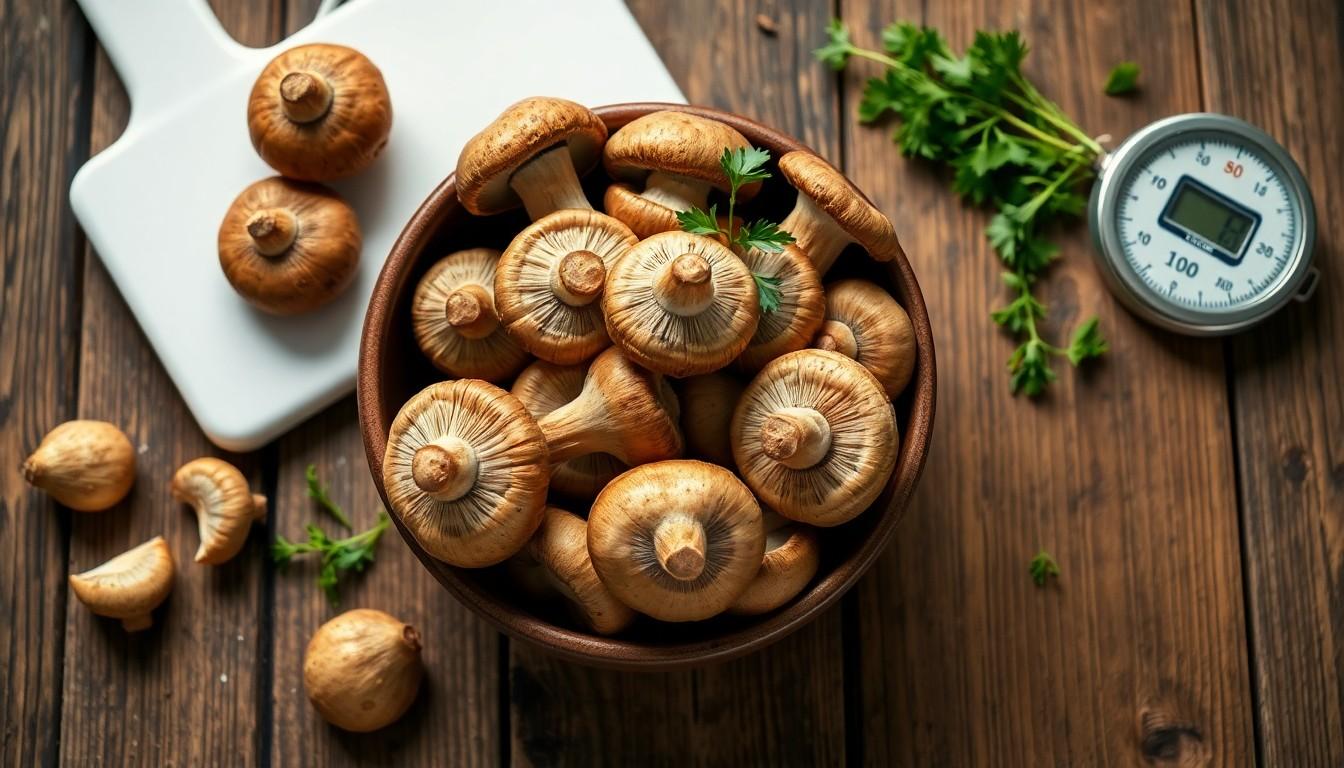
Baby bella mushrooms provide a rich nutritional profile that enhances dietary variety. These mushrooms not only offer flavor but also a host of beneficial nutrients.
Macronutrients in 100g
In terms of macronutrients, baby bella mushrooms contain approximately 22 calories per 100 grams. Carbohydrates account for about 3.3 grams, while protein contributes around 3.1 grams. Fat content remains minimal, measuring about 0.3 grams. Fiber intake from these mushrooms reaches around 1 gram, aiding in digestive health. Such low-calorie and high-protein content makes them suitable for different diets.
Micronutrients in 100g
Looking at micronutrients, baby bella mushrooms shine with an abundance of B vitamins. They provide significant amounts of riboflavin, niacin, and pantothenic acid, essential for energy production. Minerals found in these mushrooms include potassium, phosphorus, and copper, all important for heart health and bone strength. Antioxidants like ergothioneine and selenium also appear, supporting the body against oxidative stress. Integrating baby bellas into meals can thus enhance overall nutrient intake effectively.
Health Benefits of Baby Bella Mushrooms
Baby bella mushrooms offer numerous health benefits, making them a valuable addition to any diet.
Rich Source of Antioxidants
Baby bellas contain high levels of antioxidants, including ergothioneine and selenium. These compounds help neutralize free radicals, reducing oxidative stress in the body. Regular consumption may contribute to a lower risk of chronic diseases, including heart disease and certain cancers. For those seeking natural ways to boost their antioxidant intake, these mushrooms provide a flavorful option. Antioxidants play a crucial role in maintaining cellular health, and baby bella mushrooms deliver substantial amounts.
Supports Immune Function
The vitamins and minerals present in baby bellas fortify the immune system. They are particularly rich in B vitamins, which enhance energy production and support immune responses. These mushrooms also contain copper, a mineral essential for maintaining immune function and creating red blood cells. Including baby bellas in meals can stimulate the body’s defenses, promoting overall wellness. Their incorporation into salads or cooked dishes can make achieving nutritional goals easier.
Promotes Digestive Health
Digestive health benefits significantly from the fiber content in baby bella mushrooms. Each 100 grams contains about 1 gram of fiber, which aids in regular bowel movements and supports gut health. This fiber helps prevent constipation and contributes to a balanced diet. By facilitating healthy digestion, baby bellas make nutritious meals more effective. Regularly adding these mushrooms to daily meals supports not only digestive health but overall gastrointestinal comfort as well.
Culinary Uses of Baby Bella Mushrooms
Baby bella mushrooms serve as versatile ingredients in various dishes. Their earthy flavor complements many cuisines, making them perfect for both casual home cooking and gourmet meals.
Popular Recipes
Sautéed baby bellas with garlic and herbs elevate any meal. Incorporated into pasta dishes, these mushrooms add depth and richness. Stir-frying them alongside vegetables enhances their texture and absorb flavors effectively. Stuffed baby bellas with cheese and breadcrumbs create a delightful appetizer. They also shine when used in risottos, allowing for a creamy texture and umami taste. Grilled baby bellas alongside meats provide a robust side dish. Raw baby bellas in salads add a unique crunch and flavor, ensuring meals stay fresh and exciting.
Preparation Tips
Cleaning baby bellas requires a gentle brush or a damp cloth to remove dirt. Slicing them thinly enhances their flavor absorption during cooking. Cooking them quickly at high heat maintains their moisture and nutrients. Adding them towards the end of cooking preserves their tenderness. Marinating baby bellas for a short period introduces additional flavor. Combining them with complementary ingredients like balsamic vinegar or olive oil enhances their taste profile. Lastly, storing them in a paper bag promotes longevity and freshness, keeping their quality intact longer.
Baby bella mushrooms are a powerhouse of nutrition packed into a low-calorie option. Their impressive vitamin and mineral content supports overall health while their rich flavor enhances a variety of dishes. Incorporating baby bellas into meals not only boosts nutrient intake but also adds a delicious earthy taste.
With their versatility in cooking and numerous health benefits, these mushrooms deserve a spot in any kitchen. Whether sautéed grilled or enjoyed raw, baby bellas can elevate everyday meals and contribute to a balanced diet. Embracing these underrated superfoods can lead to a tastier and healthier lifestyle.