
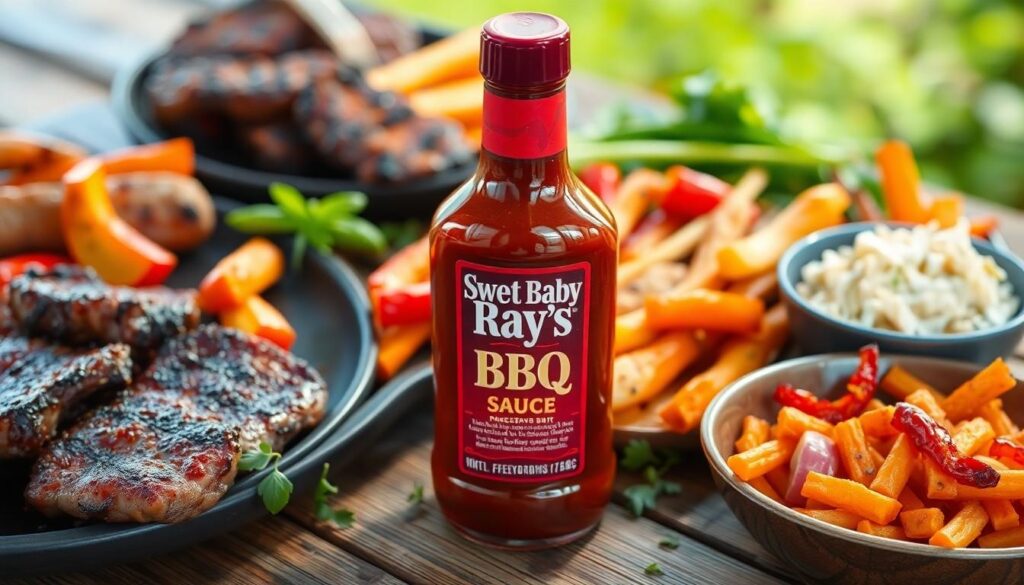
Sweet Baby Ray’s BBQ sauce has earned a loyal following, but what’s really cooking beneath that delicious glaze? While it’s hard to resist the mouthwatering flavor that turns any meal into a backyard feast, understanding its nutrition can help you savor each bite without guilt.
Overview of Sweet Baby Ray’s Nutrition
Sweet Baby Ray’s BBQ sauce contains a variety of nutritional elements that contribute to its flavor profile. Per one tablespoon serving, it typically includes around 70 calories, primarily derived from sugars. Sugars account for about 15 grams, which reflects the sauce’s sweet taste.
Sodium content measures approximately 140 milligrams per serving. This sodium level is notable, as it can impact daily sodium intake, especially for those monitoring their salt consumption.
Furthermore, Sweet Baby Ray’s sauces generally provide negligible fat and protein, with less than 1 gram of each. This makes them more of a flavoring rather than a source of macronutrients.
The ingredients list reveals high fructose corn syrup as a primary component, followed by tomato paste and vinegar. Natural flavors and preservatives also feature prominently, contributing to both taste and shelf life.
Allergens remain minimal, with most varieties free from common allergens like gluten and dairy. Nonetheless, it is essential to check specific labels when dietary restrictions are in place.
Understanding the nutritional aspects allows consumers to enjoy Sweet Baby Ray’s BBQ sauce in moderation. Balancing the sauce with other food choices aids in maintaining a healthy dietary lifestyle while savoring its rich and tangy flavor.
Key Nutritional Information

Sweet Baby Ray’s BBQ sauce offers valuable nutritional insights for consumers. Understanding these elements enhances enjoyment of the sauce while maintaining a balanced diet.
Calories and Serving Size
Each tablespoon of Sweet Baby Ray’s contains approximately 70 calories. This calorie count primarily derives from sugars, specifically around 15 grams per serving. Knowing this information helps individuals monitor their calorie intake effectively. A typical serving size is one tablespoon, making it easy to measure for various recipes. For those keeping track of their daily caloric consumption, this small portion can align with meal plans when used in moderation.
Macronutrients Breakdown
The macronutritional profile of Sweet Baby Ray’s sauce reveals low levels of fat and protein. Each serving has negligible fat content, contributing minimally to daily fat intake. Protein levels also remain low, making the sauce more of a flavor enhancer than a nutrient source. In addition to the calories from sugars, sodium content stands at approximately 140 milligrams per tablespoon. This sodium level is significant, especially for individuals monitoring their intake for health reasons. Recognizing these macronutritional aspects allows for informed usage in meal preparations.
Ingredients Analysis
Understanding the ingredients in Sweet Baby Ray’s BBQ sauce provides clarity on its nutritional profile. This sauce primarily includes high fructose corn syrup, which adds sweetness, followed by tomato paste for a rich flavor. Vinegar contributes tanginess, while various spices enhance the overall taste. Additional ingredients often featured are natural flavors and preservatives that maintain freshness. Each component plays a significant role in creating the beloved flavor consumers enjoy.
Common Ingredients in Sweet Baby Ray’s Products
Common ingredients across Sweet Baby Ray’s products reflect consistent taste and texture. High fructose corn syrup stands out as the primary sweetener, resulting in noticeable sweetness. Tomato paste serves as the base, delivering a robust tomato flavor. Vinegar adds acidity, balancing sweetness effectively. Various spices create depth, contributing to the sauce’s signature profile. These ingredients, combined, establish a distinctive balance that appeals to BBQ enthusiasts.
Potential Allergens and Dietary Considerations
Potential allergens are minimal in Sweet Baby Ray’s BBQ sauces. These products typically contain no common allergens like nuts or gluten, appealing to a wide range of dietary needs. It’s essential to check ingredient labels, as recipes may vary. Dietary considerations include the high sugar content that may affect blood sugar levels. Monitoring sodium levels proves crucial as well, particularly for those on restricted diets. Staying informed ensures consumers make choices aligned with their health goals.
Health Impacts
Sweet Baby Ray’s BBQ sauce offers both benefits and potential drawbacks when included in a balanced diet. Understanding these aspects can help consumers make informed choices.
Benefits of Sweet Baby Ray’s Products
Sweet Baby Ray’s sauces enhance meals with rich flavors. They provide an easy way to add taste without requiring elaborate cooking techniques. Low in fat and devoid of protein, these sauces predominantly serve as condiments. Their vibrant taste can encourage the consumption of healthier food options, such as grilled vegetables and lean meats. Additionally, the minimal allergens present make them accessible for various dietary needs. Enjoying these products in moderation allows consumers to savor the experience while complementing their meals effectively.
Potential Drawbacks
High sugar content poses a concern for those watching dietary intake. Each tablespoon contains around 15 grams of sugar, contributing significantly to daily limits. Sodium levels, at approximately 140 milligrams per serving, may affect individuals managing hypertension or salt-sensitive conditions. Frequent use of Sweet Baby Ray’s products might lead to excessive calorie consumption. This sauce, while flavorful, lacks essential nutrients, making it necessary to balance with other healthy components in the diet. Individuals aiming for specific health goals should monitor their portions closely to maintain dietary balance.
Usage and Pairing Suggestions
Sweet Baby Ray’s BBQ sauce enhances various dishes with its distinct flavor. Ideal for grilled meats, it complements chicken and ribs perfectly. Users can also drizzle it over roasted vegetables to add a touch of sweetness.
Incorporating Sweet Baby Ray’s into sandwiches or wraps elevates the taste profile significantly. Mixing it into marinades allows the flavors to infuse into meats during the cooking process. Those looking for dips can pair it with cream cheese or mix it into shreds of chicken for a flavorful appetizer.
Pairing the sauce with side dishes enhances the overall meal experience. It works well with coleslaw, providing a delightful contrast to the crunch. Serving it alongside baked beans adds depth to the flavor combination.
For those creating slow-cooked dishes, adding Sweet Baby Ray’s at the end of the cooking time helps preserve the rich taste. Utilizing it as a glaze during the last few minutes of grilling ensures a sticky, caramelized coating.
When considering the nutrition of Sweet Baby Ray’s, moderation remains vital for health-conscious individuals. Balancing the sauce with fresh ingredients supports a healthier overall meal. The sodium and sugar levels necessitate attention, particularly for those monitoring their intake for health reasons.
Exploring various ways to use Sweet Baby Ray’s encourages culinary creativity while allowing enjoyment of its robust flavor. The versatility of the sauce means it can enhance both simple meals and elaborate feasts.
Sweet Baby Ray’s BBQ sauce offers a flavorful addition to a variety of dishes while requiring mindful consumption. Its high sugar and sodium content may raise concerns for some, but understanding these aspects allows for a balanced approach. By incorporating the sauce in moderation and pairing it with nutritious foods, individuals can savor its rich taste without compromising their dietary goals. With its versatility in the kitchen, Sweet Baby Ray’s can elevate meals and encourage healthier eating habits. Enjoying this sauce responsibly can lead to delightful culinary experiences that enhance both flavor and nutrition.