
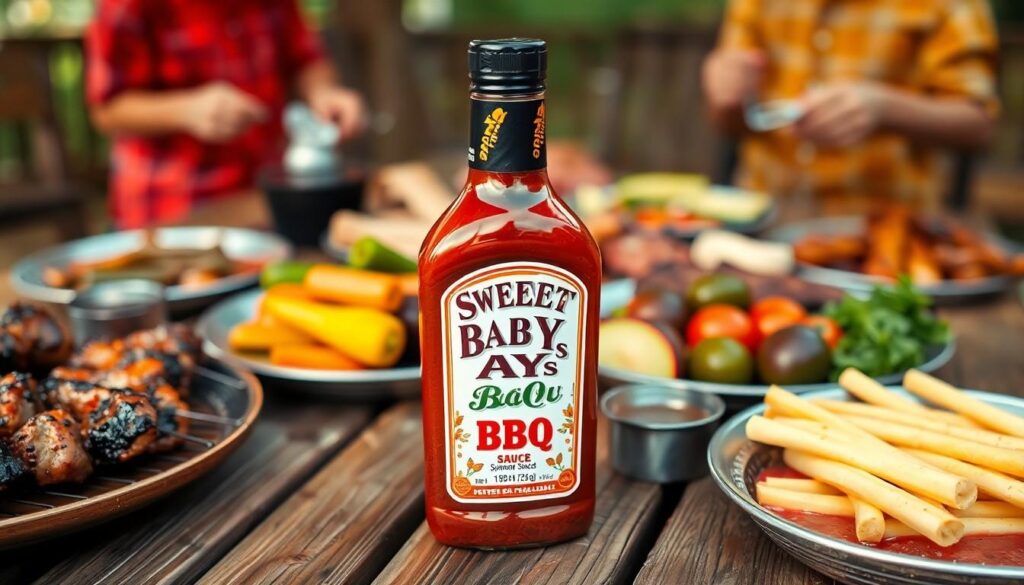
Sweet Baby Ray’s has become a household name, bringing a burst of flavor to BBQs and family dinners alike. But while everyone’s raving about its mouthwatering taste, what’s lurking behind that iconic label? It’s time to peel back the curtain and take a closer look at the nutrition label that’s as sweet as the sauce itself.
Overview of Sweet Baby Ray’s Nutrition Label
Sweet Baby Ray’s BBQ sauce provides essential nutritional information on its label. Each serving, typically two tablespoons, contains approximately 70 calories. Sugars contribute significantly to the calorie count, with about 14 grams per serving. Sodium levels stand at around 160 milligrams, offering a savory taste but requiring moderation for those monitoring salt intake.
Fat content is low, with only 0 grams of total fat per serving. Carbohydrates account for about 18 grams, predominantly from sugars. Fiber content is negligible, emphasizing the sauce as a flavorful addition rather than a nutritional source.
The ingredients list includes tomato puree, high fructose corn syrup, and vinegar, among others, indicating a blend of sweet and tangy flavors. Natural flavors enhance the overall taste profile without adding extra calories.
For dietary considerations, Sweet Baby Ray’s is gluten-free, making it suitable for individuals with specific dietary restrictions. Analyzing the nutrition label reveals insights beyond taste, highlighting the sauce’s role in balanced meal planning. Each serving’s carbohydrate and sugar content can influence dietary choices, especially for individuals managing their sugar intake.
Tracking these nutritional elements allows consumers to enjoy Sweet Baby Ray’s while being mindful of their overall health objectives. Understanding the nutrition label empowers individuals to gauge how the sauce complements their meals and nutritional needs effectively.
Key Nutritional Information

Understanding Sweet Baby Ray’s nutritional facts helps consumers make informed choices. Each serving size consists of two tablespoons, which contains 70 calories. This calorie count results from the sauce’s rich ingredients, primarily sugars and carbohydrates.
Calories and Serving Size
The serving size of Sweet Baby Ray’s measures two tablespoons. Each of these servings contributes 70 calories to a diet. Given that it’s easy to pour more than two tablespoons, awareness of portion control becomes important. Those mindful of calorie intake can enjoy the sauce while keeping track of their overall consumption. Many use it to enhance flavor without heavily impacting caloric limits.
Macronutrients Breakdown
The sauce’s macronutrient profile consists of 18 grams of carbohydrates per serving. Notably, the sugar content accounts for 14 grams of this carbohydrate total. Fat content sits at zero grams, making it a low-fat option for BBQ lovers. Sodium levels measure at 160 milligrams, which may affect daily sodium restrictions. Fiber content remains negligible, emphasizing that Sweet Baby Ray’s mainly provides flavor through sugar and carbohydrates.
Ingredients Analysis
Sweet Baby Ray’s BBQ sauce features a blend of ingredients that deliver its signature flavor. Examining the components helps consumers understand what they are enjoying.
Common Ingredients
Tomato puree acts as the base ingredient, providing a rich and savory flavor. High fructose corn syrup follows, adding sweetness and contributing to the sauce’s calorie content. Vinegar gives a tangy kick that balances the sweetness, enhancing overall taste. Other ingredients include spices, natural flavors, and preservatives that help maintain freshness.
Allergens and Dietary Considerations
Sweet Baby Ray’s is gluten-free, a key point for individuals with gluten sensitivity. The sauce contains no major allergens such as dairy, eggs, or nuts, making it suitable for various dietary preferences. However, those monitoring sugar intake should note the 14 grams of sugar per serving.
Sodium content stands at 160 milligrams, which may be a factor for people managing their salt consumption. Careful attention to nutrition labels benefits those with specific dietary goals or restrictions.
Flavor Profiles and Varieties
Sweet Baby Ray’s offers a range of flavor profiles and varieties that cater to diverse tastes. The original sauce stands out with its signature blend of sweetness and tanginess. This combination complements grilled meats, vegetables, and many dishes.
Spicy variation amps up flavor with a kick from chili peppers. Fans appreciate the added heat, making it perfect for those who enjoy BBQ with a bit more zest. Honey BBQ brings a rich, mellow sweetness that pairs well with chicken and ribs.
Furthermore, a variety highlights a smoky flavor that enhances grilled dishes. Smoky options provide depth, ideal for those who enjoy a barbecue experience rich in traditional barbecue notes.
Consumers can also find Sweet Baby Ray’s in a no-sugar-added version. This choice caters to those looking to reduce sugar intake while still enjoying the classic flavor. Each variety maintains a consistent quality, ensuring that every bottle delivers satisfaction.
In addition to these primary varieties, seasonal flavors occasionally appear. Flavors like peach and mango bring fresh, fruity elements to the table, appealing to adventurous taste buds. Variety packs are increasingly popular, allowing consumers to sample multiple flavors in one purchase.
Overall, the diverse flavor profiles ensure Sweet Baby Ray’s appeals to a wide audience, making it a versatile condiment for a variety of culinary applications.
Health Considerations
Sweet Baby Ray’s BBQ sauce offers a balance of flavor and nutrition, making it important to examine its health aspects.
Benefits of Ingredients
Tomato puree serves as a primary ingredient, providing antioxidants like lycopene that support heart health. High fructose corn syrup brings sweetness, though moderation is key when considering sugar intake. Vinegar adds a tangy flavor while potentially aiding digestion. Various spices and natural flavors enhance not only taste but also nutritional value. It’s gluten-free and free from major allergens, allowing many to safely enjoy it. Each ingredient contributes to the overall appeal, making it a favorite for barbecue enthusiasts.
Potential Concerns
Sugar content merits attention, as each serving contains 14 grams, potentially contributing to excess daily intake. Sodium levels also warrant caution; with 160 milligrams per serving, it might impact those monitoring salt consumption. Portion sizes can lead to unintentional overconsumption since many might exceed the suggested two tablespoons. Carbohydrate content, primarily from sugars, can be significant, affecting overall dietary choices. Keeping these factors in mind helps ensure a balanced approach while enjoying the rich flavor of the sauce.
Sweet Baby Ray’s BBQ sauce stands out not just for its flavor but also for its nutritional profile. With a balance of taste and dietary considerations it’s a versatile choice for many meals. Understanding the nutrition label is key for those looking to enjoy it while keeping health goals in check.
The variety of flavors available ensures there’s something for everyone. Whether opting for the original or trying a seasonal variety consumers can savor the richness of this beloved sauce. By being mindful of portion sizes and ingredients individuals can indulge in Sweet Baby Ray’s without compromising their dietary needs.